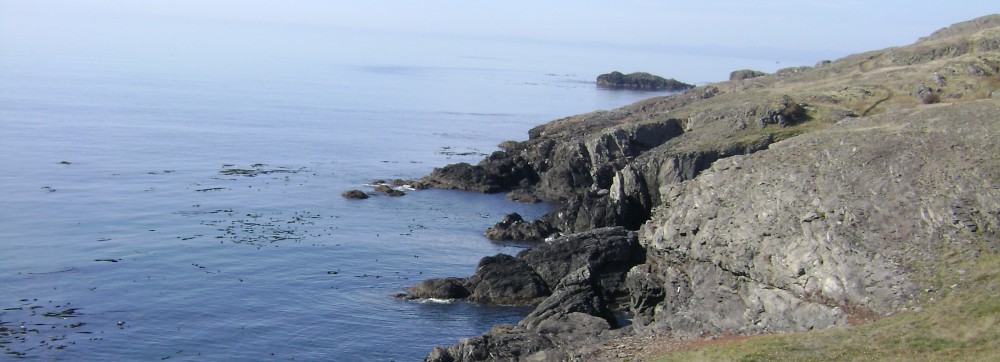
New England to New Scotland, Part I: Sheep, Cousins, and Great Big Rocks

“I have a week’s vacation, use it or lose it,” said Son One from Costa Rica. “But getting to Lopez Island and back would take 2 days out of that. Wanna meet somewhere else?”

“Way too long since we’ve seen our New England cousins,” I mused.

Next thing you know…

NOT an actual cousin…but cousin-adjacent!
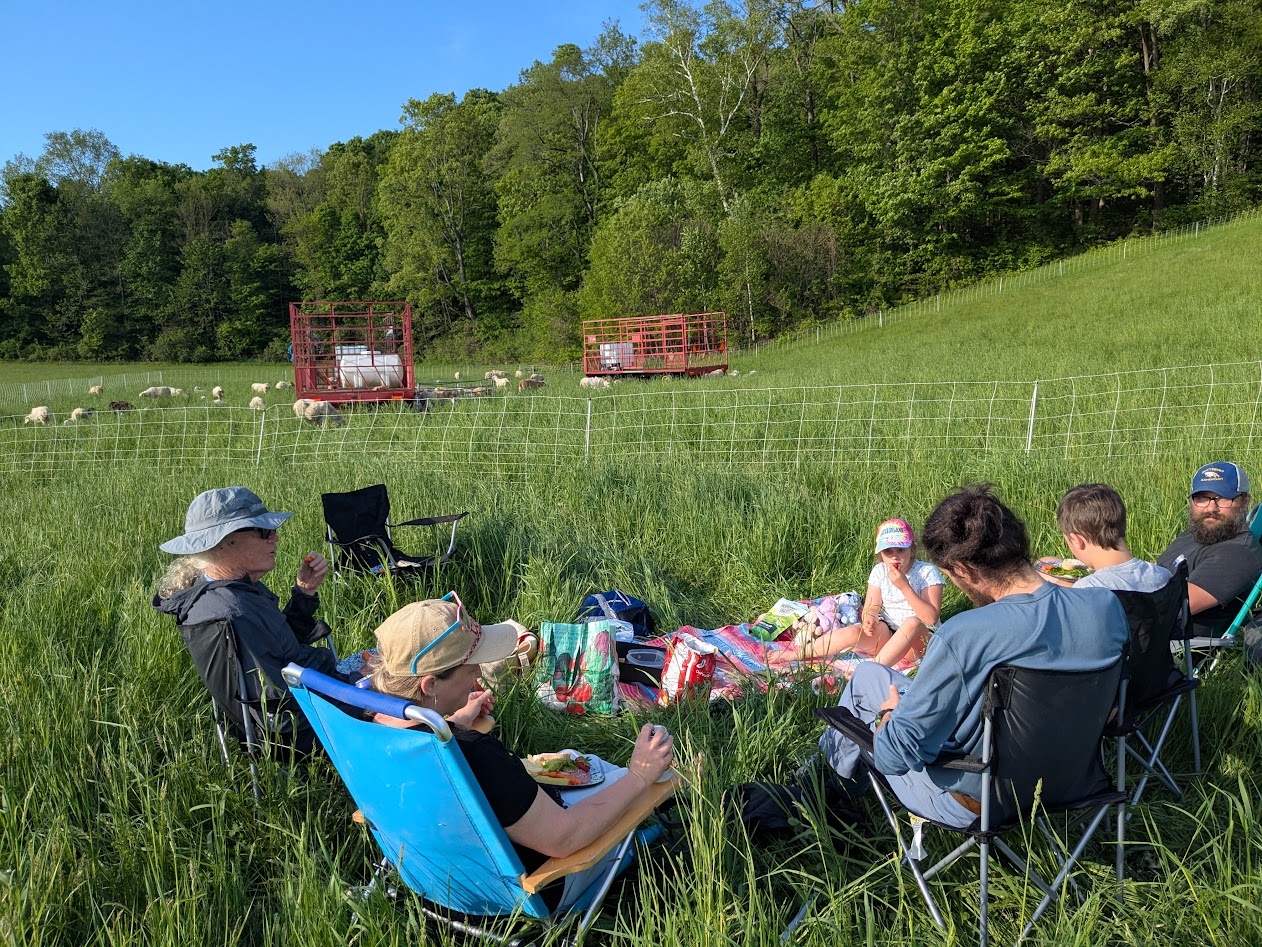
Pasture picnic!

Cousins Jesse & Cally were deep in lambing season. Lots of triplets this year (sheep usually have twins), and Jesse was concerned about this lil’ brown one who needed help nursing.
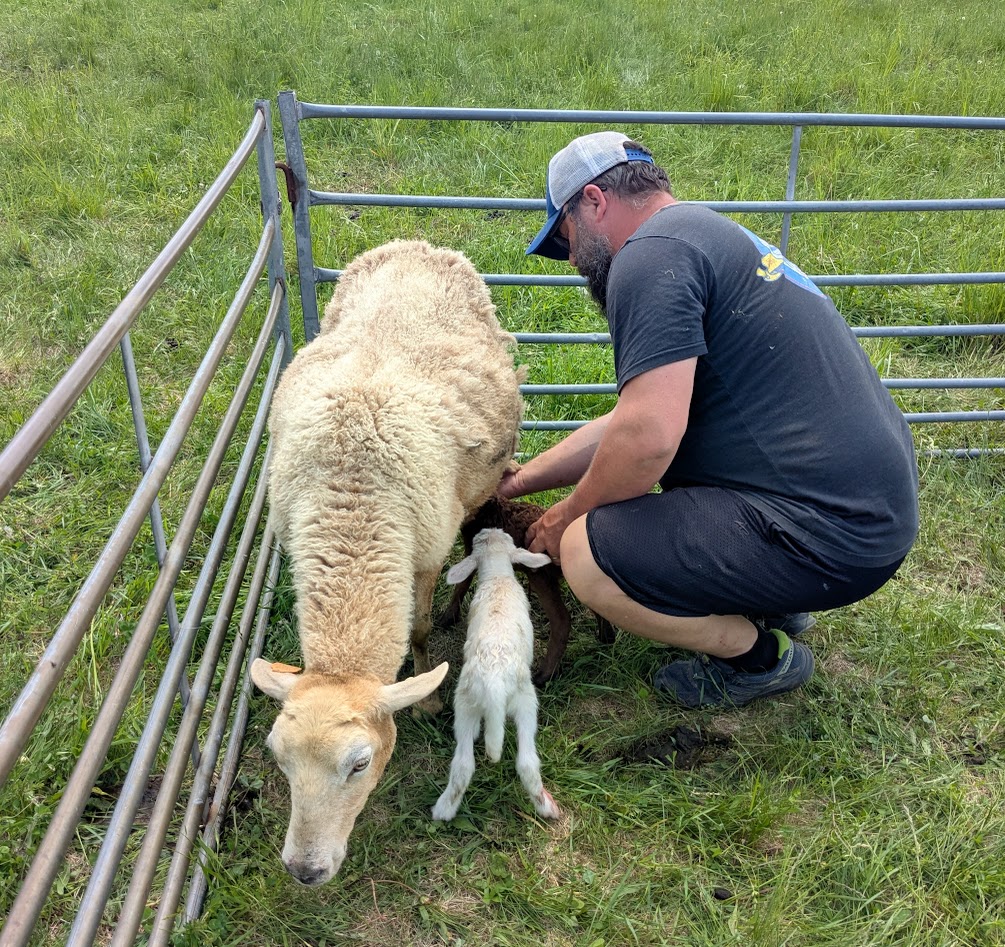
“Pretty wobbly,” Jesse said. Meaning: Probably won’t make it.

After two days of sunshine, the weather slid sideways, and our youngest cousin got strep so we couldn’t hang out in a big group. But we helped out as much as possible (I was Lamb Camp Cook), in between soaking up the pure gorgeousness of that part of New England.
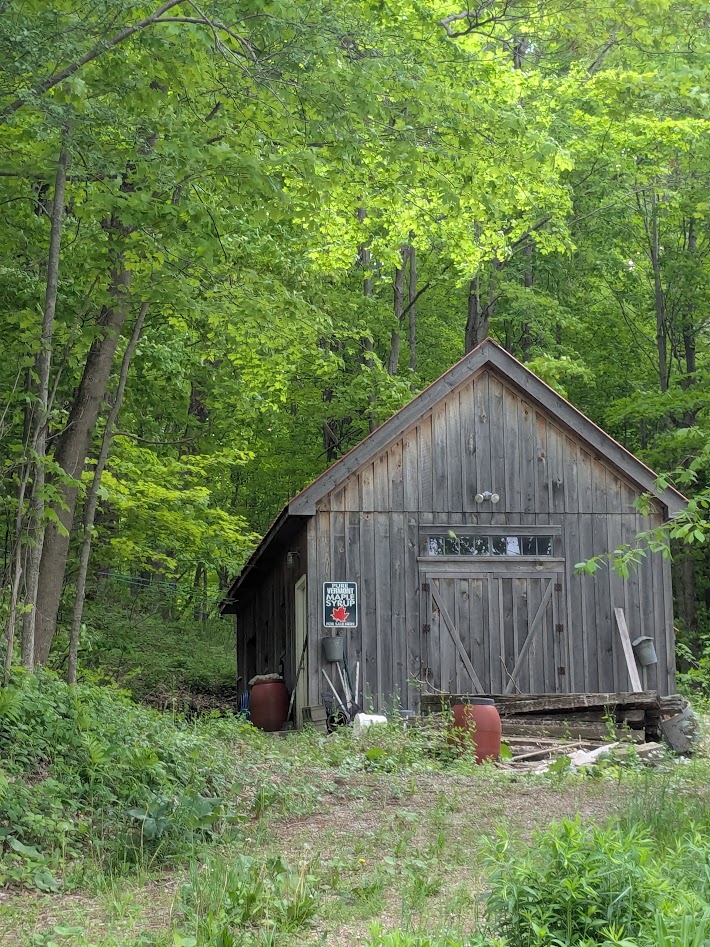
Not to mention the pure Vermontness! Like the neighbors’ sugar shack.

Spring’s later there than here on the North-wet Coast.
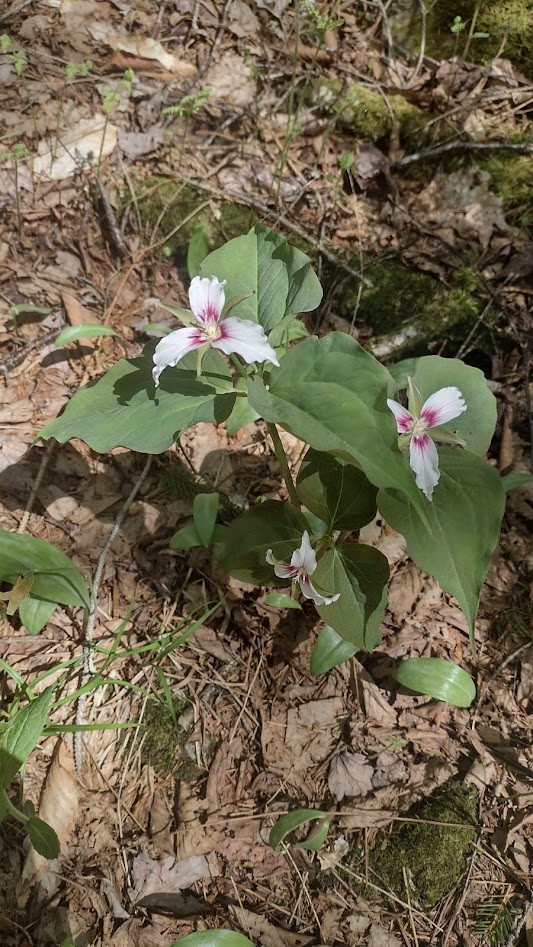
They still have trillium blooming!

On our last day, we walked up to Studio Hill, for which the farm is named…
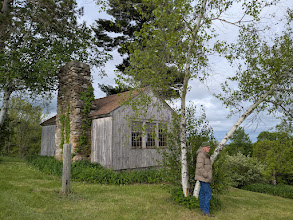
You can see why.

…and stopped to say goodbye to the flock, now more than doubled in size, 130 lambs and counting. Our cousins were hosting a (literal) field trip for their son’s 5th grade class, so we listened in. You gotta love hearing 11 year-olds warning each other, “Look out, don’t step in the placenta.”

Oh, and I learned a neat trick about telling the gender of the lambs! Right ear tag = ram lamb. Left = ewe…

Like our lil’ brown gal! She made it after all!!!!
I used to sunbathe on Lighthouse Beach. But not today!

I don’t know if “Annis” or “Squam” means Big Honkin’ Rocks, but it should.
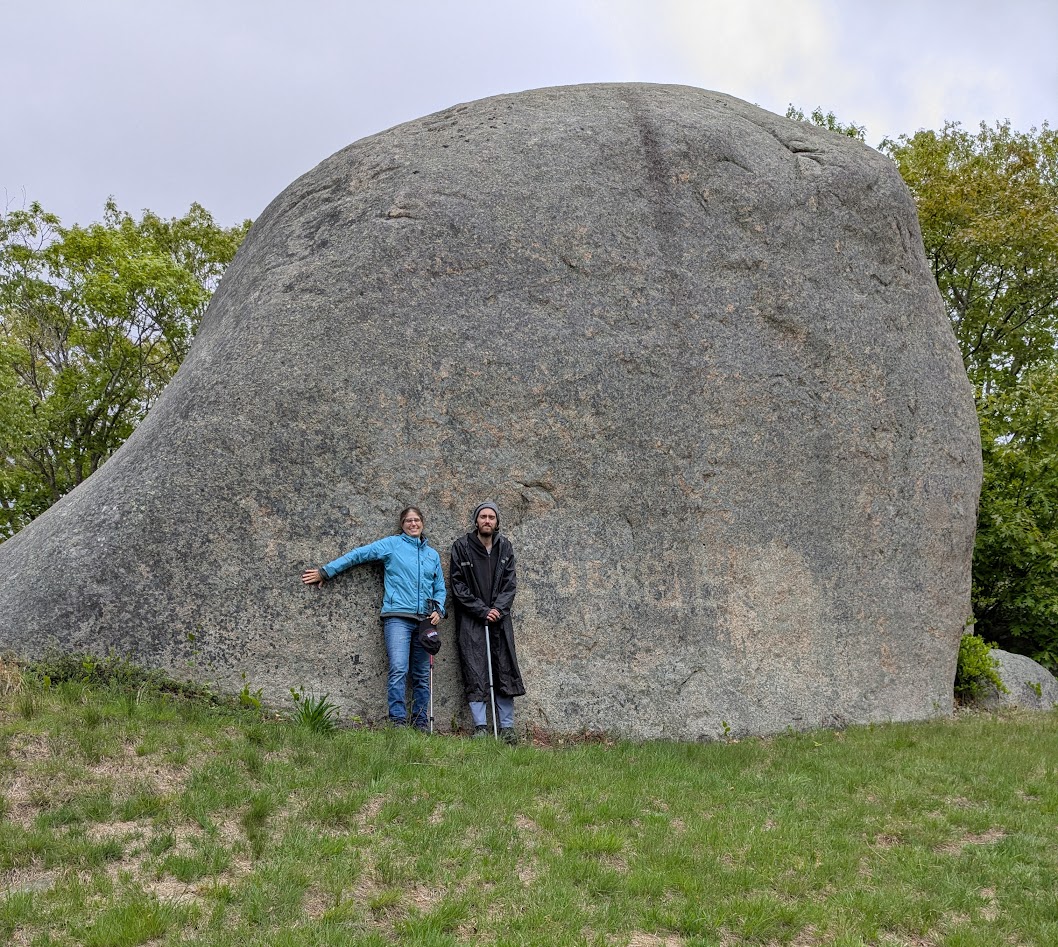
Son One and I deciding we’re fine with posing at the bottom instead of the top.

Rocks define the place. Even in the middle of the woods, giant boulders rise like whales, casually, like they own the place.

which they do

Coastal Massachusetts spring was a little farther along than in Vermont: no more trillium, just this cute lil’ Jack-in-the-pulpit:
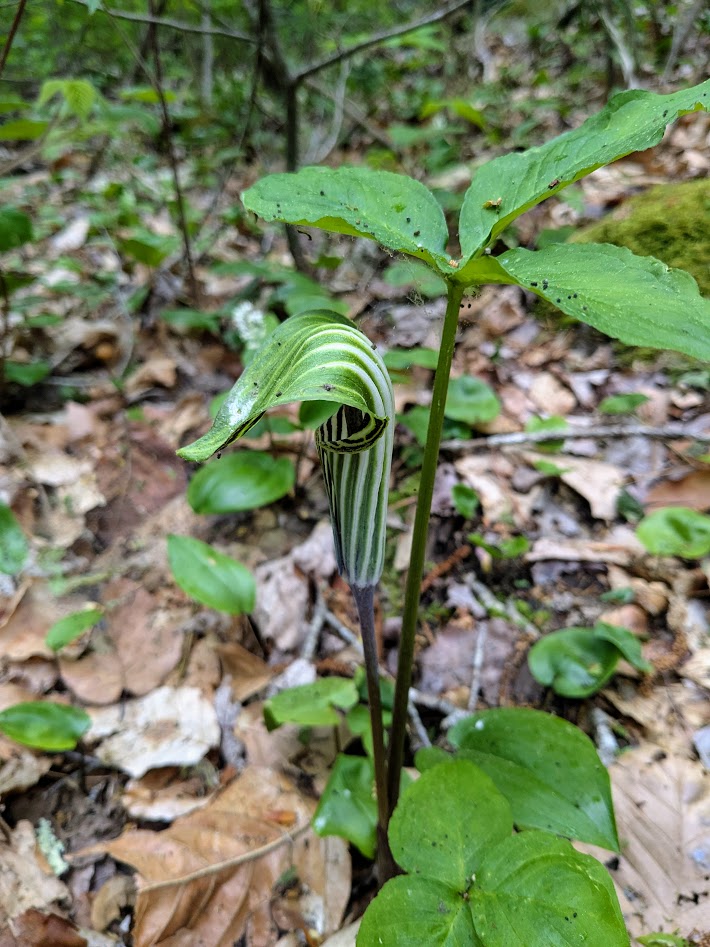
Preach on, Jack!

Annisquam is also defined by its AGE. Here’s the (former) home of the Mate’s Aunt Erma (really a cousin, but REALLY more like his adopted mom), built around 1700:
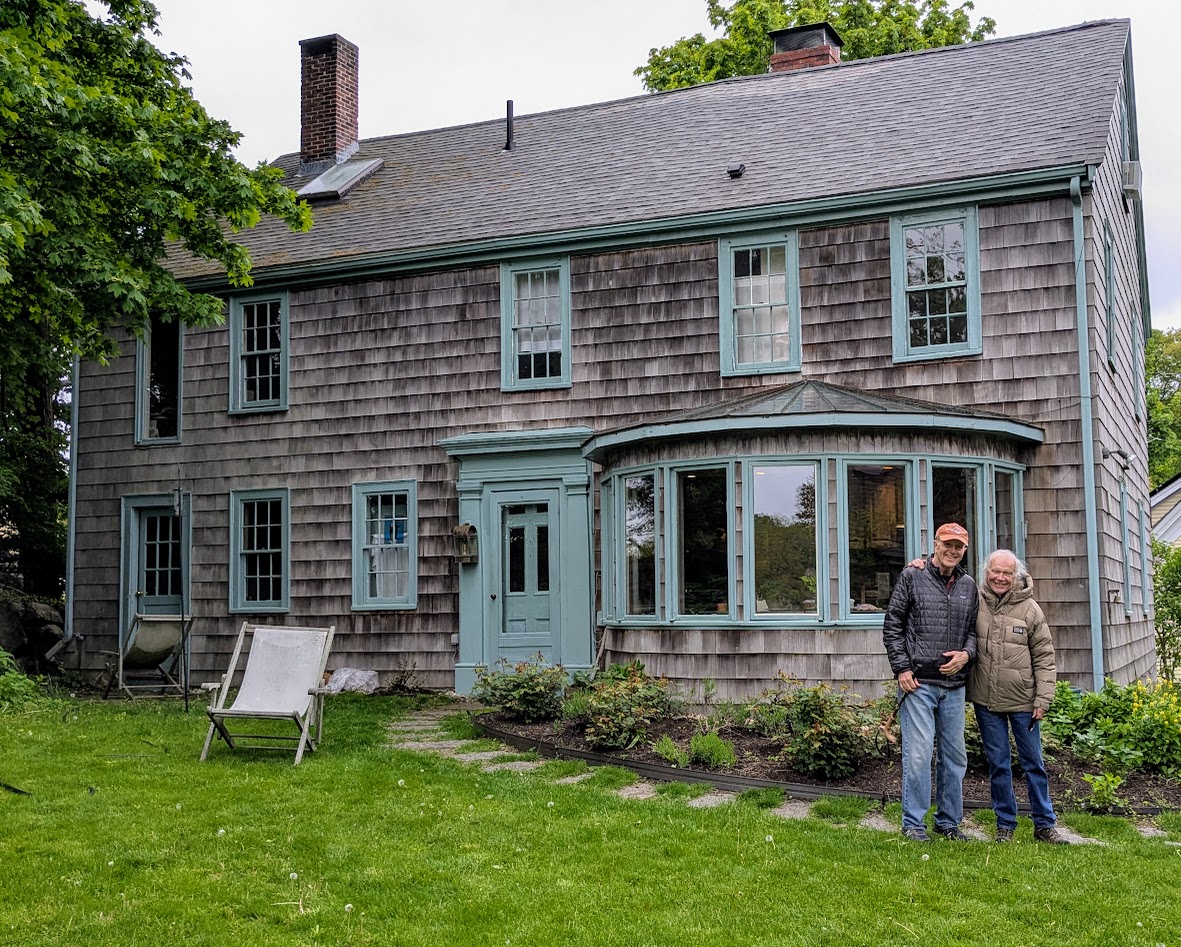
Many’s the bowl of fish chowder served in that blessed kitchen!

Walking around the neighborhood, I couldn’t help but capture the “official” oldest dwelling:
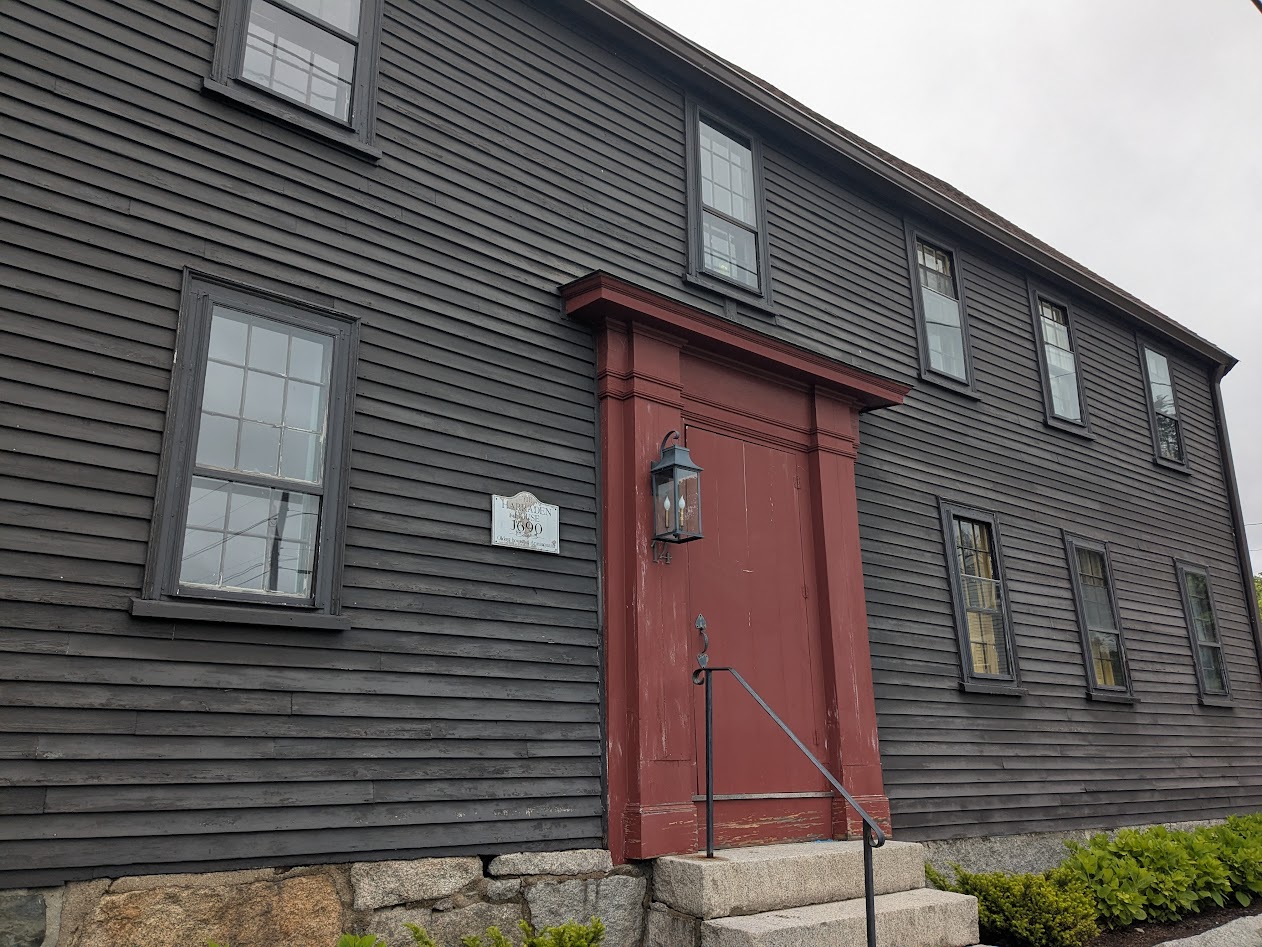
1690, the sign says. But I still love Erma’s house best.

Son One had to get on back to his beloved jungle, but after dropping him at the airport, we took a last visit of Lobster Cove…

…remembering various leaps off that bridge from the past. Not today, thanks!

Aventuras Mexicanas con El Esposo y Hijo Dos: Día 4, Selva Teenek Ecopark

Let’s take a break from waterfalls for just a sec.

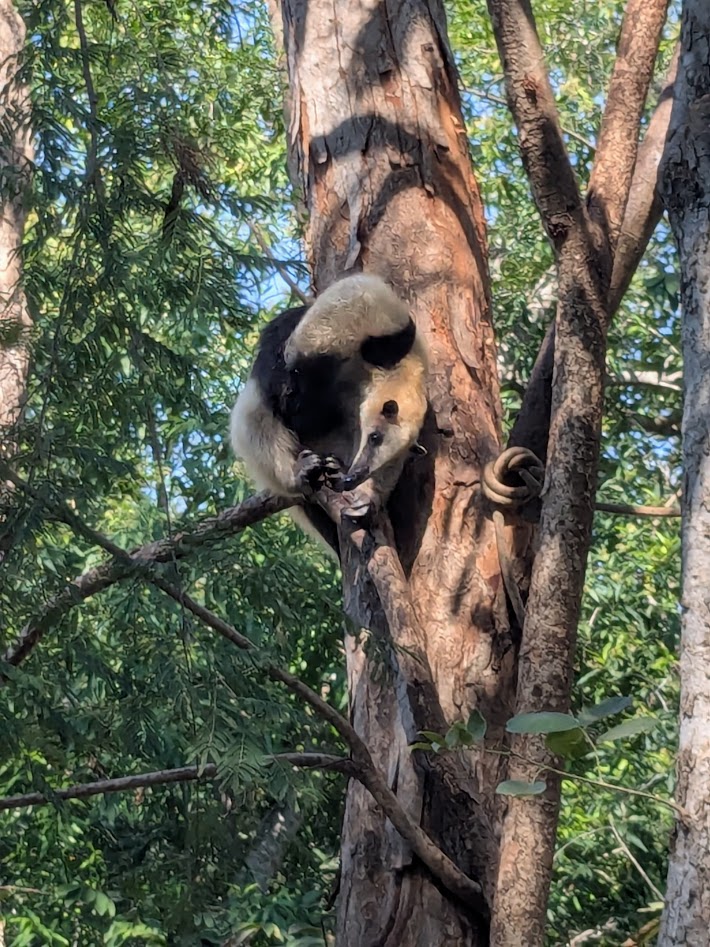
Or a tamandua: an anteater–with the coat of a skunk, the charm of a sloth, and the agility of a monkey

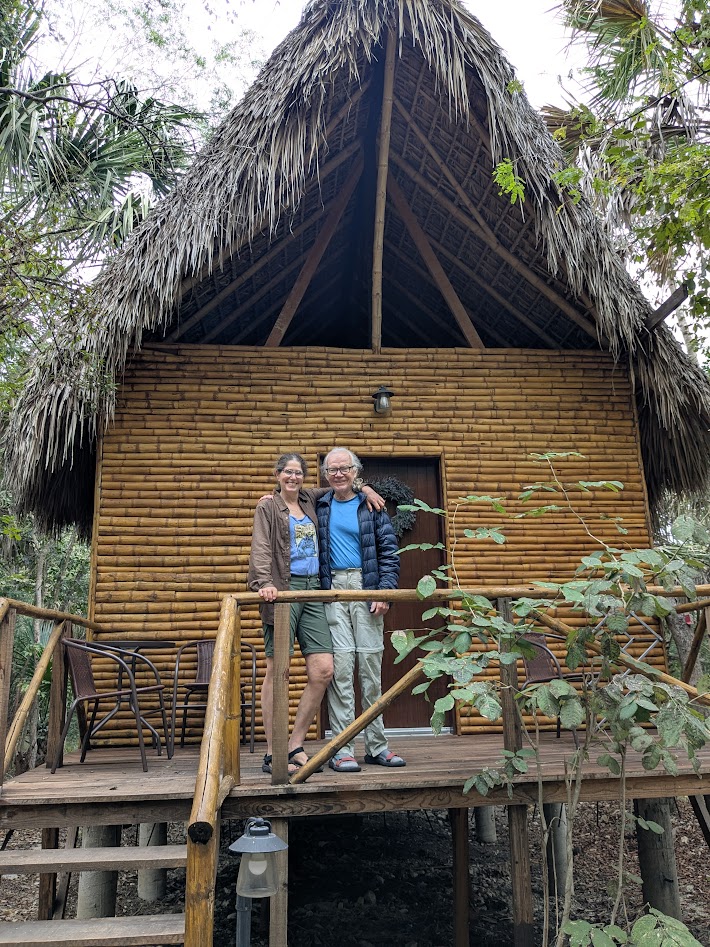
After reading about Selva Teenek Ecopark in the blog I consulted for our itinerary, Sallysees.com, I immediately booked us a night there. Turns out Sally knows her way around wildlife rehab facilities endowed with gracious hospitality, as well as she knows waterfalls.

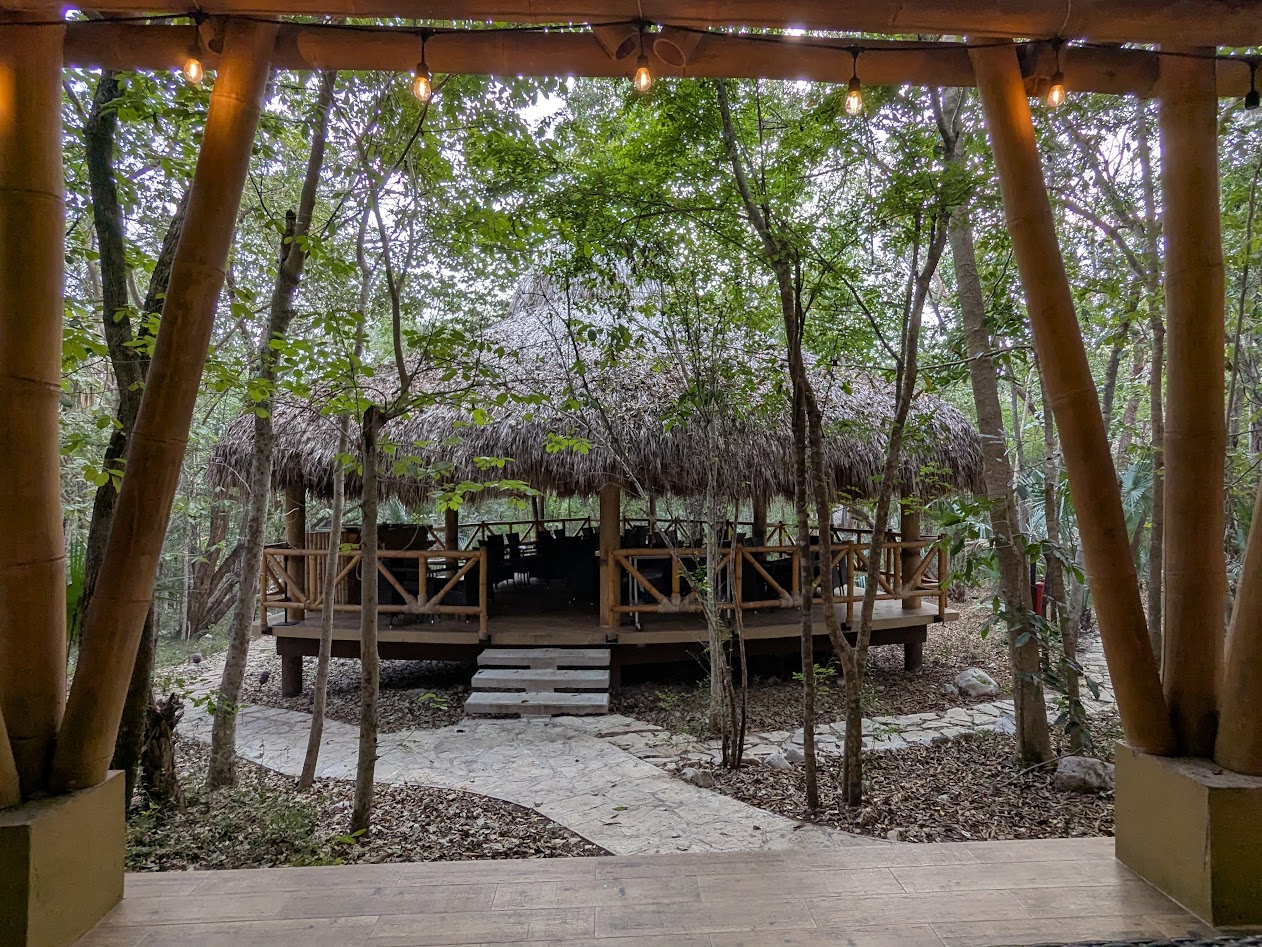
The whole place was built in traditional-looking Huastec (or Teenek) style

As soon as we arrived, our host (and co-owner) Eduardo met us in a structure like this to go over expectations–stuff like no wandering off trail; nighttime feeding of the carnivores happens at 8:30 pm; oh, and coffee or tea for breakfast? We learned we were the only tourists staying there at the moment (ooh, a private tour!), but that there was a large contingent of conservation biologists on site for classes. Turns out Selva Teenek (pronounced Teneck, meaning Jungle of the Huastec people) is no cheesy “come pet a creature” place, but a beacon of true wildlife rehab and conservation.

They just happen to be very good at taking care of people there too.

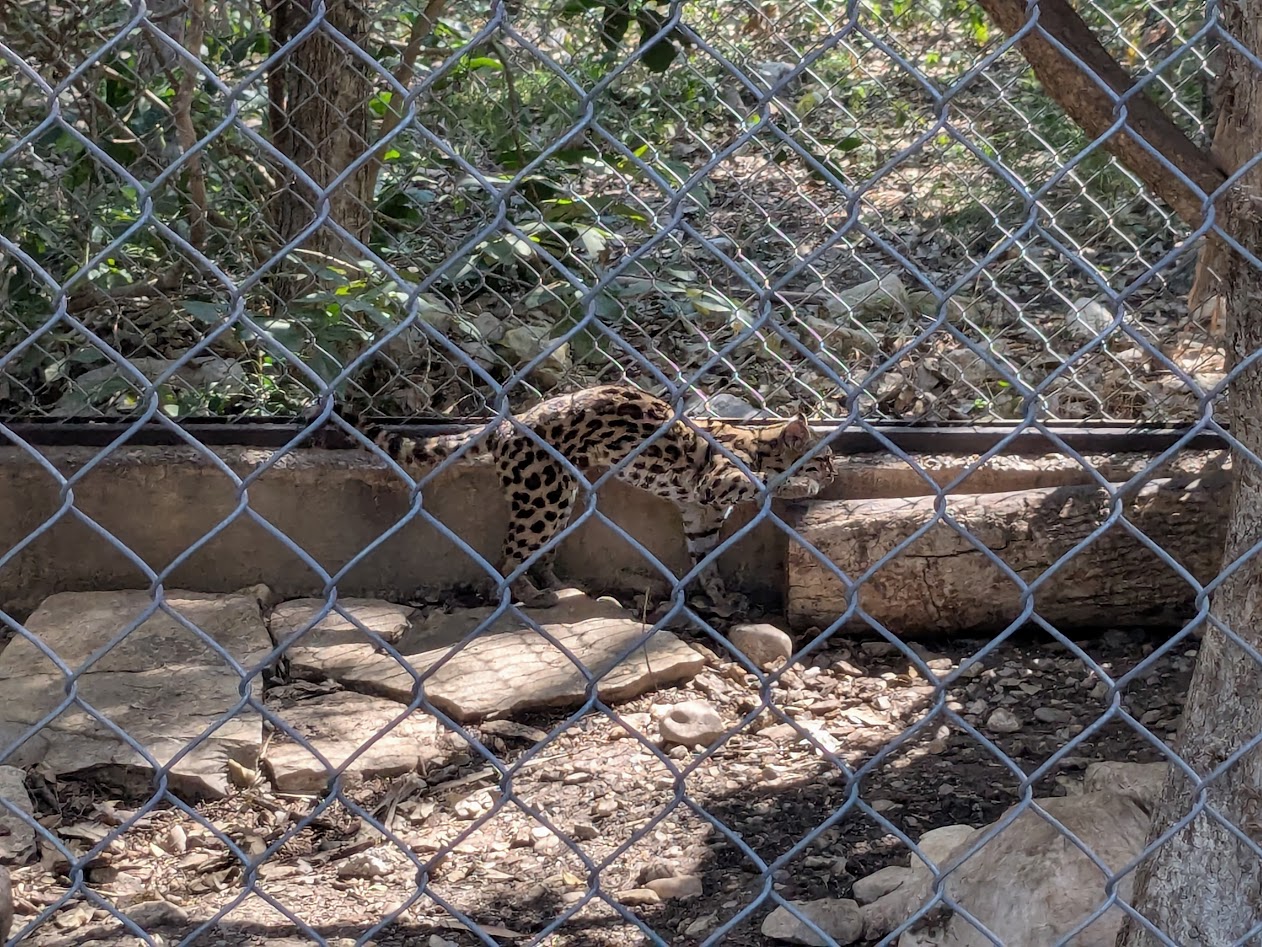
Before the special nighttime tour, we were given one in daylight, featuring some VERY cute rescued margays.

Basically a teeeeeensy little leopard! (Fun fact: my aunt once kept a pet one. Don’t tell.)

The focus on the Teenek/Huastec people was as striking as the animals. This mural in the open-air dining area, for example, which cracked me up because…

…can you see it? My Mate’s legs almost look like they go with the girl on the wall! (who looks like she’s spray-painting my head)

But no lie–we were there for the animals, especially the two big cats on the nighttime feeding tour. The puma (who’d been raised as a pet till that idea went sideways) greeted her keeper by walking back and forth, tail high, purring like…well, like a big cat. I didn’t bother with a picture because, honestly, it was the purring part that was really striking.

What’s really missing from this photo: the CRUNCHING sound as she chomps bones

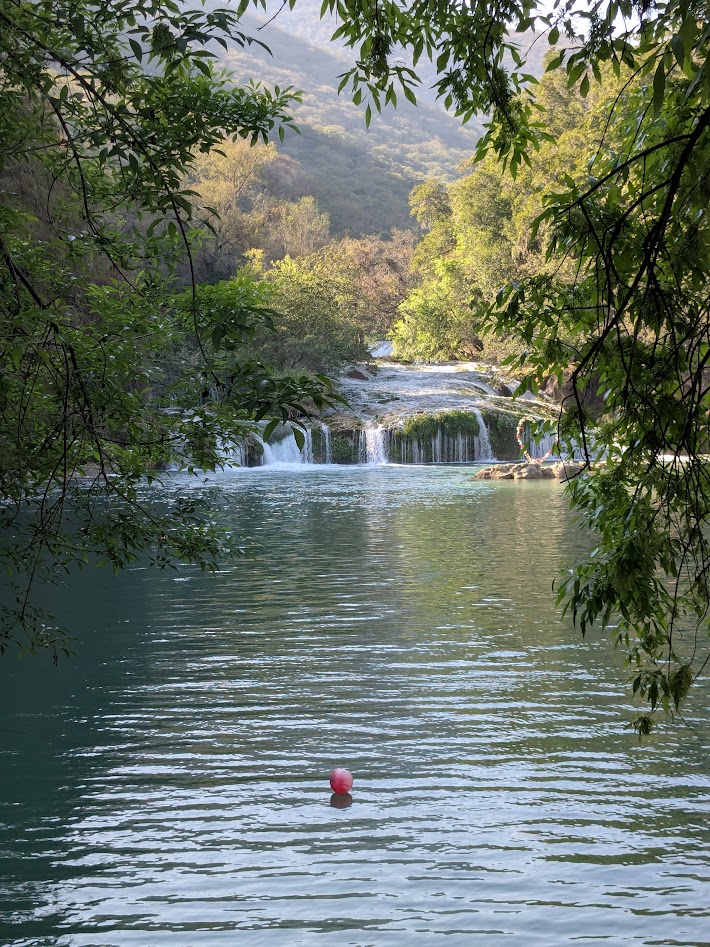
We did, in fact, visit a nearby waterfall on our way in, Cascada Micos. I couldn’t take a very close-up photo because we had to SWIM to this one.

Believe me, those falls are farther away than they look! Hijo 2 & yo swam to that little island which, yes, somebody had actually decorated with a heart for Valentines Day (sigh)

See Otter? No–SEA Otter! (So What?)

You know those times when you get so ridiculously excited about something you just have to blurt to the first person you see?

(If no…I gotta say, congrats on your self-restraint, but really? Try it sometime.)

I had one of those the other day. Rushing back down the path from the gorgeous portion of National Monument that is my backyard, I met a stranger walking my way. “I saw a sea otter! Keep an eye out for it!” I blurted.

He gave me what felt like a patronizing look–and I should know, having given plenty of those myself. “Those are river otters,” he said, kindly enough. “They’ve taken over the marine habitat, but they–”

River Otter: cute! (photo by R.A.Killmer, courtesy Wikimedia Commons)

“No!” I interrupted. “I mean, yes, I know–you’re right, I’ve never seen a sea otter in these waters, but I just did!”

I went on to describe what I’d seen through my binocs (after zooming home and zooming back out again–don’t usually carry binocs on my walks): big creature, almost as long as a seal, floating on its back, flippery hind feet sticking straight out of the water, front paws on tummy, as though it were making itself into a floating tray. Silver face.

Sea otter: CUTER! (photo by Brian Wotherspoon, courtesy Wikimedia Commons)

The guy switched to Interest Mode and hastened down the path.

We don’t get many sea otters in the Salish Sea. In fact, in ten years of several-walks-per-week, I’ve NEVER seen one. Special as I felt, I wanted to find out exactly how rare they were. Here’s what I learned from an article posted July 2018 by Rob Ollikainen in the Peninsula Daily News:

Most sea otters are spotted off the Pacific Coast at places like Destruction Island and Cape Flattery, said Erin Gless, a naturalist with Island Adventures Whale Watching.

“A few individuals, however, seem to be exploring more inland waters,” Gless said in a Monday news release.

“While it’s too early to determine what’s bringing these sea otters in from the coast, their presence is encouraging.

Turns out the otter I saw–all by its lonesome, and it probably was, ’cause sea otters are super-social creatures–has already been adopted by some who’ve spotted it. According to this article and a couple of others I read, this guy is either “Ollie the Otter,” first spotted near Victoria in 2015, or else “Odin,” a one-eyed male seen more recently off San Juan Island. Since that’s much closer to me, I’m guessing Odin’s more likely–but I couldn’t quite see its eyes through my glasses. As for a close-up shot?

Let’s just say I’m considering buying a zoom lens for my phone.

By the end of the article, though, my excitement got its comeuppance.

Anne Shaffer, executive director of the Coastal Watershed Institute, which studies the ecology of the nearshore near the mouth of the Elwha River, said the recent sea otter sighting was interesting but not unusual.

“There are otters that are off our shore, off the central Strait, one or two a year,” Shaffer said Friday.

A semi-resident sea otter was known to be living off the San Juan Islands for years. An adult male was living in the south Puget Sound, Shaffer said.

“There certainly transit our shoreline but they’re not abundant,” Shaffer said.

“It’s an interesting observation but not necessarily ecologically astounding. But they’re cool animals.”

Well, excuuuuse me for being astounded. Cool animals are welcome to do that to me any day. I’m also constantly on the lookout for ANY good ecological news, and I reserve the right to receive this otter as exactly that.

Anyone else got an astoundingly-cool-animal-in-your-backyard story to share????