Time, Tide and Salmonberries: Blessed Be the Regular

Like probably most people in the world right now, my sense of the calendar has gone all wonky. I’m frequently not sure what month it is, let alone the date. Day of the week? Forget it. 

Fortunately or unfortunately, I know all too well what year it is.

The arrival of fresh cherries and strawberries at a fruit stand took me by surprise. Wait–it’s Solstice already? Since then, I’ve been trying to pay more attention. Salmonberries have helped. 

Salmonberries  are a huge thing around western Washington. Whether battling them as ferociously scratchy pests around our yards or admiring their bright pink flowers in Spring, we probably spend more time thinking about them than we even realize. And then they make berries!

If looks could taste…

I used to make fun of salmonberries for being so un-delicious: The only reason anyone even thinks about eating you is because blackberries aren’t ripe yet.  

But (again, like a lot of folks) I’ve been walking even more than I usually do, and trying to pay even more attention to things besides the global pandemics of COVID and racism. So I’ve been nibbling salmonberries again, as part of my noticing–and guess what? Turns out if you wait to eat them till they’re so ripe they’re juuuuust about to fall off their thorny ol’ bushes, they’re actually pretty tasty.

So what else merits my noticing, and my thanks?

The tide. Twice a day. EVERY day. Talk about essential work!

I know this isn’t exactly a glam shot, Tide–but this is you your work attire.

And some of the humblest of flowers–look at these ones here, engaging in a socially-distanced Easter bouquet!
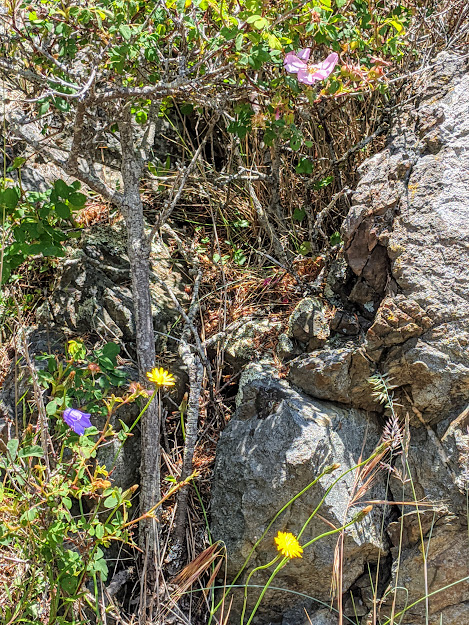
C’mon, guys, it’s June, not April. Shouldn’t you be decorating for wedding season?

That’s more like it.

What basic, REGULAR things are you feeling grateful for right now? Postal carriers? Baby birds? Marshmallows on display shelves? Let’s celebrate the regular where we can find it!

“Stand-up Tragedy”: When Coping Mechanisms Become Calls to Action

I’m not a particularly gifted comedian, but comedy plays a big role in the life I’ve made with my Mate. We like to say Jon Stewart pretty much raised our children. I know he got us through the Dubya Bush years, especially after the invasion of Iraq. When the Daily Show theme music came on, we’d yell, “Hey boys, Funny People!” and the boys would come running.

Since the election of 2016, I’ve leaned hard on Stephen Colbert and Trevor Noah to remind myself that I’m not the only one who feels like my country’s turning back 100 years. But since the death of George Floyd, like the comedians themselves, I’m finding more solace in bitterness.

Isn’t that a contradiction? No–not when the bitterness is shared, and focused.

This morning’s New York Times article about Richard Pryor, by Jason Zinoman, put it best. After moving on to discuss Pryor’s legacy among Black comics, including SNL’s Michael Che and The Daily Show’s Roy Wood Jr., Zinoman focuses on Dave Chappelle, and coins the perfect phrase:

Over the past few decades, Chappelle has repeatedly made comedy from the pain of police brutality, but what stood out about his recent set was how his typically grave tone didn’t pivot to a joke, how often he let his unfiltered outrage sit there…Chappelle went long stretches without jokes, producing a kind of stand-up tragedy. When he asked what the police officer whose knee was on the neck of George Floyd could be thinking, he spoke with a righteous anger that comedy could not address. There are limits to what a joke can do.

Stand-up tragedy. YES. That is what feeds my soul these days: someone standing up, literally, and calling out what happened and what it means. Here is Trevor Noah, his first workday after the death of Rayshard Brooks:

Trevor isn’t telling me what to do. But when this professional funny person, this man whose impish dimple has brought me so much joy over the past five years, looks me in the eye and speaks his bitter truth, I feel called up. Which is how I want to feel right now.

It’s even more (bizarrely) comforting to hear comedians call other people out–people not like me, whom I wouldn’t have the right to criticize. Here’s Hasan Minhaj, from his show Patriot Act, calling out his fellow immigrants from Asia and the Middle East:

There are some speakers, like Killer Mike and Kimberly Jones, whose words are pure bitterness and zero comedy–no less brilliant and even more gripping–and I’ll probably focus on them another time.

Right now I want to give a huge shout-out to those “Funny People” whose wit and wisdom is fueling me these days–and hopefully you too. Please share others!

‘Nuff Said? We’ll See.

This book is suddenly a national best-seller. My copy’s back-ordered. It’s a start.

Of what? 

“Some people go out in glory

Yeah with the wind at their back

Some get to tell their own story

Write their own epitaph

Sometimes you see it coming

Sometimes you won’t know until

You’re out of breath

With a knee on your neck

For a $20 bill.”                          –Tom Prasado-Rao


Friends–let’s do the hard work, whatever’s ours to do.

White, Horrified and Helpless: Six Ways to Find Your Direction

Let’s say you’re White. Let’s say you’re not in close touch with many People of Color. Let’s say the reality of being Black in America is coming home to you in a deeper way than it ever has. Let’s say you are feeling ready to do more than just feel bad, attend a demonstration or write a check. Let’s say you are wondering where to start.

That was me, following the election of 2016. From what I’m hearing and seeing on social media, it’s a lot more people now. If it’s you, please keep reading.

Since struggling in the winter of 2016-17, I’ve begun to find some direction, some guidance. I would like to share it here.

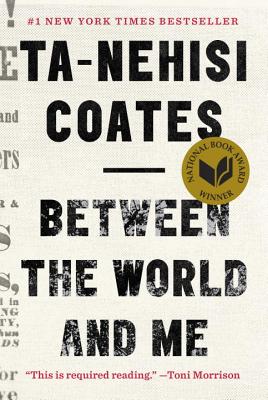
  1. First, rip off your emotional blinders. Read Between the World and Me, by Ta-Nehisi Coates.

    This book is soul-changing.

  2. Learn the history you never knew you needed to know: Wherever you can fit it into your day, listen to episodes of the podcast “Seeing White” by John Boewin, with special guest Chenjeria Kumanyika.
  3. Get personal with that history. Read The Warmth of Other Suns by Isabel Wilkerson.

    Better yet, read it with a friend.

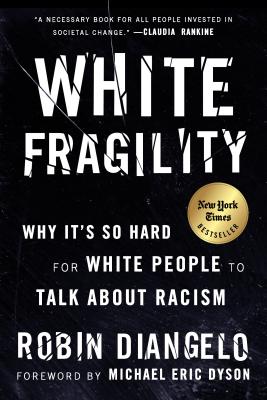
  4. Turn the lens on yourself. Read Robin DiAngelo’s White Fragility or Debbie Irving’s Waking Up White. Or both.

    Start a book group.

  5. Reach out. Investigate groups you may have never heard of, like Color of Change. What work are they doing? Do you want to support it, and if so, how? Watch Netflix shows like “Dear White People” or “BlackAF”–they’ll make you laugh while your mind is expanding. Read People of Color. Listen to People of Color. Think about what you’ve never thought about. Think about where this country has an opportunity to go.
  6. Get involved with a group like VoteForward or Common Purpose to defeat Donald Trump. While we find a way to move forward, we have to keep our country from sliding further backward. How can you help?

    Racism is like COVID, or cancer. If you can’t study it and talk about it, you can’t cure it.

You know and I know, it is no longer possible just to dislike racism. We are either doing anti-racist work–starting with ourselves–or we are permitting racism to hold its grip. Please add your own suggestions here for what people like you, like me, or ANY people can do.